



This shift in awareness has led to growing demand for scalp treatment products that address concerns such as dryness, oil imbalance, sensitivity, and hair thinning. For brands, scalp treatments also represent a high-value category with strong repeat purchase potential and opportunities for differentiation through formulation and branding.
This article explores what scalp treatment products are, the benefits they offer, the types available in the market, and how OEM manufacturing supports brands in developing effective and competitive scalp treatment solutions.

Contents

Scalp treatments are specialized cosmetic or cosmeceutical products designed to care for the scalp environment. Unlike regular shampoos or conditioners, these products focus directly on scalp health rather than just cleansing or coating the hair shaft.
A scalp treatment is a product formulated to improve the condition of the scalp by addressing specific concerns such as excess oil, dryness, buildup, sensitivity, or weakened hair follicles. These products are typically applied directly to the scalp and left on for a certain period to allow active ingredients to work.
Market demand for scalp treatments has grown significantly as consumers become more educated about the link between scalp health and hair quality. Social media, professional haircare advice, and dermatology-backed messaging have all contributed to this awareness. As a result, scalp treatments are no longer niche products but have become a mainstream category in both salon and retail markets
For brands, this demand presents an opportunity to develop targeted products that meet specific consumer needs, such as soothing sensitive scalps or supporting hair density.
Scalp treatments are formulated to address a wide range of common concerns. One of the most frequent issues is excess oil production, which can lead to clogged follicles and an uncomfortable scalp feel. Treatments designed for oil control help rebalance sebum levels and maintain a cleaner scalp environment.
Dryness and flaking are another major concern. Environmental factors, harsh cleansing routines, and frequent styling can strip the scalp of moisture. Scalp treatments targeting hydration and barrier support help restore comfort and reduce visible flakes.
Sensitivity and irritation are also increasingly common, especially among consumers with reactive skin. Scalp treatments for sensitive scalps often focus on calming ingredients and gentle formulations that reduce redness and discomfort.
Hair thinning and weak hair roots are additional concerns addressed by scalp treatments. While cosmetic products do not treat medical hair loss, many formulations aim to support a healthier scalp environment that is more conducive to strong hair growth.
Scalp treatments are available in various formats, making them highly adaptable for OEM and ODM development. One common format is the scalp serum or tonic, which is lightweight and easy to apply directly to the scalp without weighing down the hair.
Another popular format is the scalp mask or treatment cream. These products are typically used weekly and offer a more intensive conditioning or purifying effect. They are often positioned as part of a self-care or spa-like routine.
Scalp scrubs and exfoliating treatments are also widely used. These help remove buildup, dead skin cells, and excess oil, creating a refreshed scalp surface. For OEM development, scrubs can be customized with different textures and exfoliating agents.
Leave-on sprays and ampoules are gaining popularity as convenient, daily-use scalp treatments. These formats are especially attractive for consumers with busy lifestyles who prefer low-effort routines.
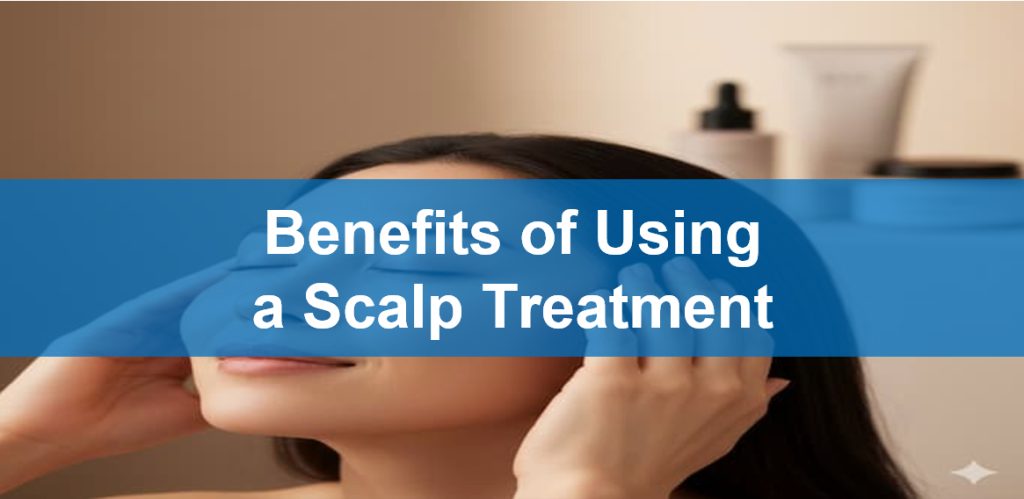
The use of scalp treatment products offers benefits that go beyond basic hair cleansing. By targeting the scalp directly, these products contribute to both immediate comfort and long-term hair health.
One of the primary benefits of scalp treatments is improved scalp condition. A well-balanced scalp is neither too oily nor too dry, and it feels comfortable throughout the day. Scalp treatments help regulate oil production, replenish moisture, and maintain a healthy scalp barrier.
When the scalp is in good condition, issues such as itchiness, tightness, and visible flakes are reduced. This not only improves comfort but also enhances the overall appearance of the hair, as clean and healthy roots allow hair to look fresher for longer.
Regular use of scalp treatments can also help prevent recurring scalp issues by addressing underlying imbalances rather than just masking symptoms.
Healthy hair growth starts at the scalp. Scalp treatments support this process by creating an optimal environment for hair follicles. Improved circulation, reduced buildup, and balanced hydration all contribute to better conditions for hair to grow.
Many scalp treatments are formulated with ingredients that support the scalp’s natural renewal process. While cosmetic products cannot change genetic factors, they can help minimize external stressors that weaken hair roots over time.
For consumers experiencing hair that feels thinner or weaker, scalp treatments are often seen as a proactive step toward maintaining hair vitality and density.
Beyond functional benefits, scalp treatments also offer relaxation and sensory advantages. Applying a scalp treatment can feel soothing and therapeutic, especially when combined with massage.
Many products are designed with pleasant textures and subtle fragrances that enhance the user experience. Cooling or warming sensations can further contribute to a feeling of relaxation and stress relief.
These sensory elements play an important role in consumer satisfaction. Scalp treatments are often positioned as part of a self-care ritual, making them appealing not just for results but also for the experience they provide.
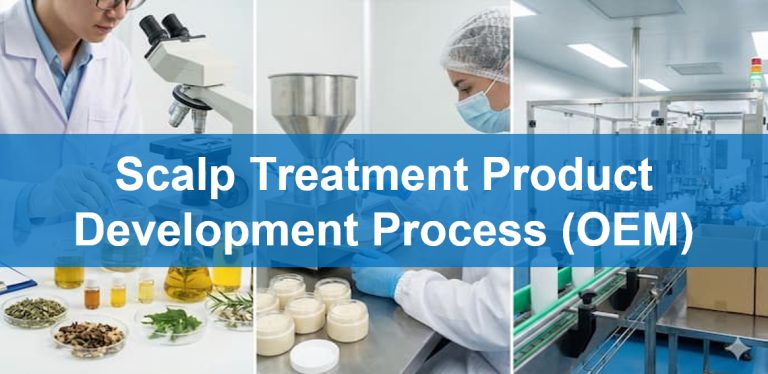
For brands looking to enter or expand in the scalp treatment category, OEM manufacturing provides a structured and efficient development pathway. Understanding each stage of the process helps ensure a successful product launch.
The first step in scalp treatment product development is defining a clear brand concept. This includes identifying the target consumer, key scalp concerns to address, and the desired product positioning.
Brands must decide whether the product is focused on soothing, purifying, strengthening, or overall scalp wellness. This direction guides formulation choices, ingredient selection, and even packaging design.
A strong brand concept also considers texture, fragrance profile, and usage frequency. These elements influence how the product fits into the consumer’s routine and how it stands out in a crowded market.
Choosing the right OEM manufacturer is a critical step in the development process. A trusted manufacturer brings expertise in formulation, ingredient sourcing, quality control, and regulatory compliance
Experienced OEM partners can provide guidance on ingredient compatibility, stability testing, and scalability. They help brands translate their concept into a safe and effective product that meets market standards.
Manufacturers with experience in scalp treatment products are particularly valuable, as they understand the nuances of scalp formulations, such as absorption, residue control, and sensory balance.
Packaging plays a significant role in the success of scalp treatment products. It affects not only visual appeal but also functionality and product stability. Brands must consider packaging types that allow precise application to the scalp, such as nozzle bottles, droppers, pump sprays, or tube applicators.
Ease of use is especially important for products applied directly to the scalp. Packaging materials should also align with the brand’s positioning, whether premium, clinical, or natural. OEM manufacturers often offer a range of packaging options and can advise on compatibility with the formulation.

Scalp treatment products have become an essential category within modern haircare, driven by growing awareness of scalp health and its impact on hair quality. These products address a wide range of concerns, from oil imbalance and dryness to sensitivity and weakened hair roots, offering both functional and sensory benefits.
For consumers, scalp treatments provide improved scalp condition, support for healthy hair growth, and a relaxing self-care experience. For brands, they represent a high-demand segment with strong potential for innovation and differentiation. OEM manufacturing plays a vital role in bringing scalp treatment products to market.
By defining a clear brand concept, working with a trusted manufacturer, and selecting suitable packaging, brands can develop effective and competitive scalp treatments that meet evolving consumer expectations. As the focus on scalp health continues to grow, well-developed scalp treatment products are positioned to remain a key part of the beauty and cosmetic industry.


For further information, please contact us.